


Corn removal, treatment and prevention
Corns (hard skin): removal, treatment and prevention. Self-care, pedicure and when to see a podiatrist.
Removing, Treating, and Preventing Corns
A corn (callus, heloma) is a hardened, round callus that develops on or under the foot. The core presses into the surrounding tissue and can be painful. Here you can read about causes, treatment, and prevention.
What is a corn?
Occurs due to prolonged pressure and friction. Often on the sole of the foot or between the toes. Different types: hard corn (clavus), soft corn (between toes). With sweaty feet, moisture increases the risk – PediSpray® can help.

Self-removal
Small corn in an accessible location: corn plaster with salicylic acid or special pen to scrape off the top layer. Do not self-treat deep or hard-to-reach corns – risk of infection.
Pedicure and Podiatrist
Have a pedicure remove the corn if it is deep or hard to reach. For abnormal foot posture: podiatrist for insoles to correct pressure distribution.
Prevention: comfortable shoes in the correct size, good foot care, timely removal of calluses. For sweaty feet: PediSpray® to reduce moisture and friction.

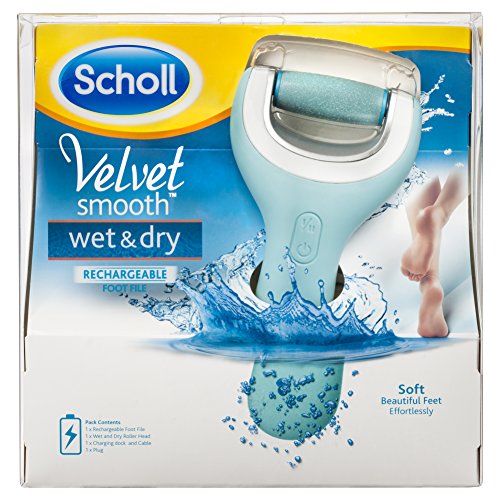
Product recommendation
Scholl Velvet Smooth Wet & Dry
Rechargeable electric foot file for wet and dry use. Premium Scholl care for corns and hard skin – 4.3★.Frequently Asked Questions about Corns
Answers about corns, treatment, and prevention.
How do you remove a corn yourself?
By relieving pressure and gently softening the hard skin, not by cutting it.
- Shoes that fit properly and allow space for the toes.
- A pressure-distributing felt pad or cushion around the corn.
- Soak the feet, then carefully file away any loose calluses.
- If necessary, use a corn plaster containing salicylic acid, applied briefly and carefully.
It is usually not safe to remove the hard core deeply at home. If in doubt, see a medical pedicurist.
How do you know if you have a corn?
You often feel a stinging, localised pain when pressure is applied, as if there were a small stone in your shoe.
You’ll see a round, hard callus, sometimes with a small dark or translucent centre (the ‘pit’). With calluses, the pain is usually duller and spread over a larger area.
What is the difference between a corn and callus?
Calluses are a broader, flat thickening. A corn is smaller and has a hard core that grows inwards.
As a result, a corn is more painful. See also: removing calluses from the feet.
Can a corn go away on its own?
Sometimes it does, if the pressure is completely relieved (for example, by wearing better shoes).
If the pressure persists, the corn will often remain or return. You should therefore always address the underlying cause as well.
Do corn plasters or ointments containing salicylic acid help?
They can soften calloused skin, making it easier to remove.
Use them with care: take care not to damage the healthy skin around the affected area. Do not use if you have diabetes, poor circulation or reduced sensation in the feet. Not sure? Consult a chiropodist or GP.
Can I remove a corn myself?
No. Cutting or pricking the skin yourself carries a risk of cuts and infection.
Only carefully remove loose calluses with a callus file after several weeks. Leave the core alone or have it treated by a medical pedicurist.
Why does a corn keep coming back?
If the cause (pressure and friction) is not addressed. Comfortable shoes and regular foot care help prevent recurrence.
When should you see a pedicurist, podiatrist or GP?
In the event of persistent pain, recurrence, diabetes or vascular problems, or if self-care does not help.
A medical pedicurist can remove them safely; a podiatrist will address the underlying pressure (e.g. with an orthotic insole). In the event of inflammation or a wound: consult your GP.
How does a corn develop?
Due to prolonged pressure and friction on the foot. Causes: shoes that are too tight, high heels, abnormal foot position. With sweaty feet, moisture increases the risk.
Can I remove a corn myself?
Small corn in an accessible location: corn plaster with salicylic acid. Deep or hard-to-reach corn: have a pedicure treat it to prevent inflammation.
.svg)
 Ton
★
★
★
★
☆
07 Nov. 2026
"If you really want to get rid of unpleasant odours from your feet or shoes, there’s only one solutio..."
Translated
Poppe
★
★
★
★
★
04 Nov. 2026
"Good product, works exactly as described – I’m really very pleased with it!
"
Translated
john bergman
★
★
★
★
☆
25 Oct. 2026
"Nooo"
Translated
G
★
★
★
★
★
23 Oct. 2026
"Good product, helps well against sweaty feet and prevents fungal infections"
Translated
Arnold
★
★
★
★
☆
20 Oct. 2026
"It works well, but when I take my shoes off, I can still see traces of the powder "
Translated
Edith
★
★
★
★
★
20 Oct. 2026
"Very satisfied, particularly with the product for sweaty feet. However, you could also promote the p..."
Translated
Wjm Gertsen
★
★
★
★
★
16 Oct. 2026
"
"
Anoniem
★
★
★
☆
☆
15 Oct. 2026
"It takes a week to arrive!
This is rubbish when sent by standard post! The envelope
was completely..."
Translated
Dennis Sluimer
★
★
★
★
★
14 Oct. 2026
"Brilliant! Perfect for trainers. Everyone still looks happy when you take them off at the end of the..."
Translated
 Martina Müller
★
★
★
★
★
13 Oct. 2026
"Works a treat against foot odour in shoes. Highly recommended!"
Translated
|
|
The texts on this page have been carefully compiled. Sources used include: the Corns and calluses - NHS and Corns and calluses - NHS. |
