
EU produced Free shipping from £ 35
PediFris®

Treating pitted keratolysis: causes, symptoms & what to do

Do you have small holes on the soles of your feet and sometimes a strong odour? Then it could be pitted soles are (medical:pitted keratolysis). It is caused by bacteria that thrive in warm, moist conditions, not by a fungus.Treating pitted keratolysis It therefore starts with dry feet.

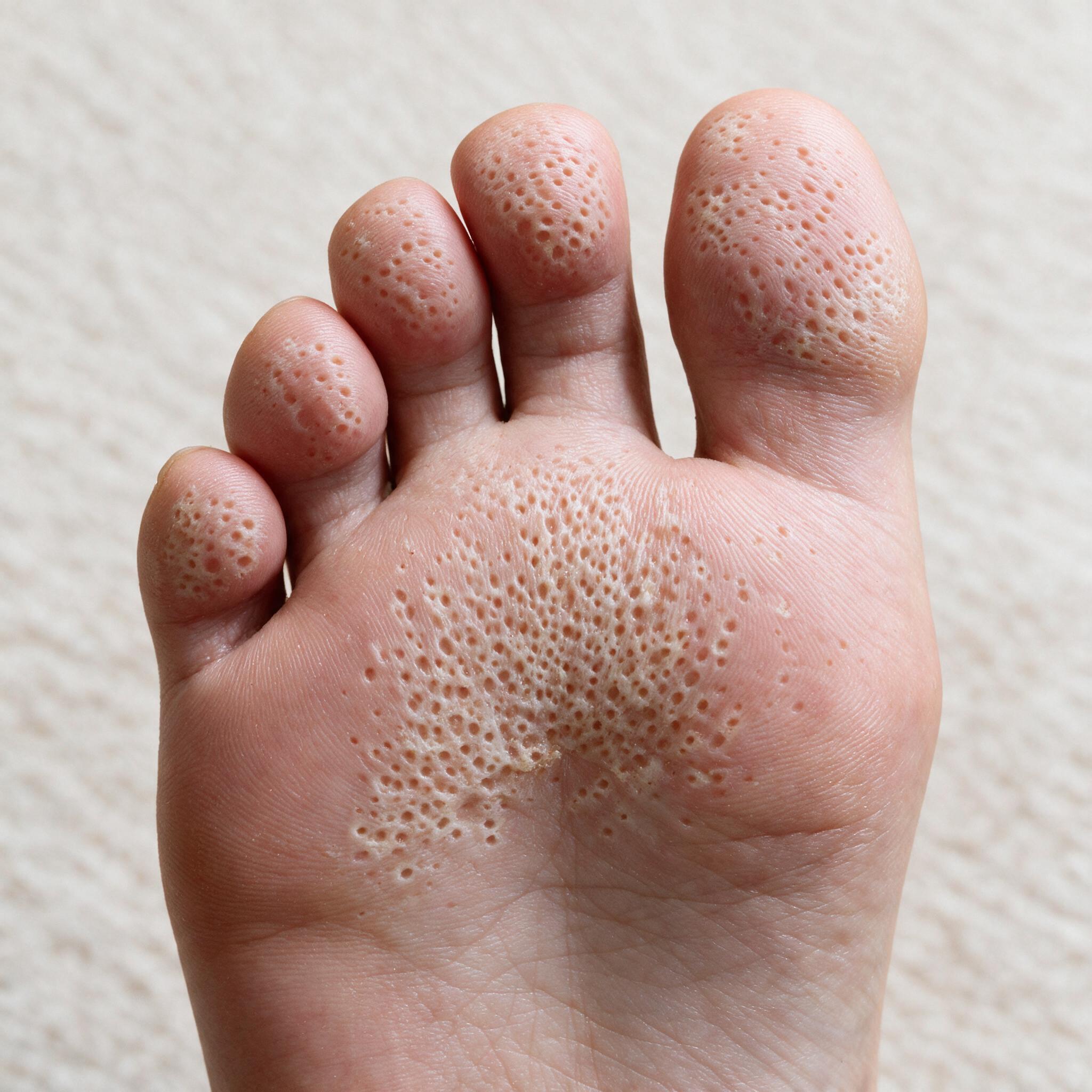
Sole of the foot with pitted keratolysis

Keep your feet as clean and dry as possible. Wash them every day, dry them thoroughly (including between the toes) and put on clean, dry socks. Rotate your shoes so that each pair can air out. Simply removing the odour is usually not enough; as long as your feet and shoes remain damp, the bacteria will easily return. More about sweaty feet.

Many people with pitted keratolysis also suffer from sweating. In such cases, it helps to reduce moisture on the skin, for example by using PediSpray®, whilst also keeping your shoes fresher with PediFris® Classic. A remedy for sweaty feet This helps keep your skin drier, reducing the chance of the bacteria returning.

If your symptoms persist, or if you are experiencing pain, sores or have diabetes, please contact your GP.

Why dry and clean matters

Tackle moisture and bacteria in two places

With pitted keratolysis, it is not enough to keep only your feet dry. Bacteria also thrive in warm, damp shoes. So reduce excessive sweating on your skin and treat your shoes with a disinfecting powder, so bacteria and fungi have less chance of coming back.

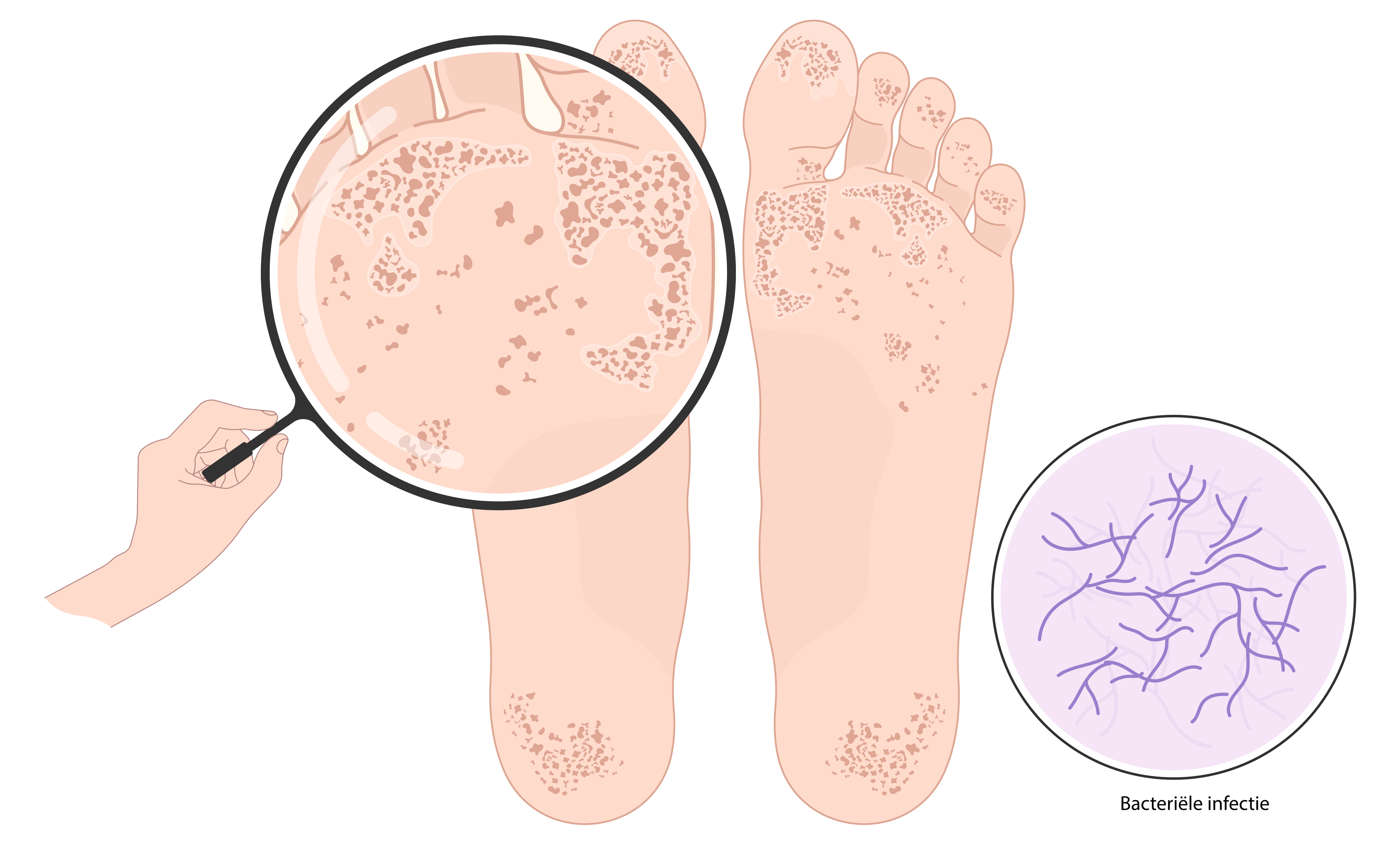
Pitted keratolysis is caused by a bacterial infection of the skin

Before you begin, wash your feet and make sure they are clean and dry.

Reduce excessive sweating

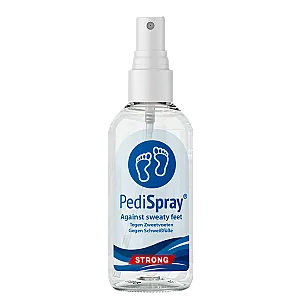
Make sure your feet stay dry. Reduce excessive sweating with an antiperspirant such as PediSpray® Strong or PediSpray® Regular. PediSpray® contains aluminium chloride, an aluminium salt that helps to inhibit perspiration. This keeps your feet dry and removes the breeding ground for bacteria and fungi.

Combat bacteria and fungi in your shoes

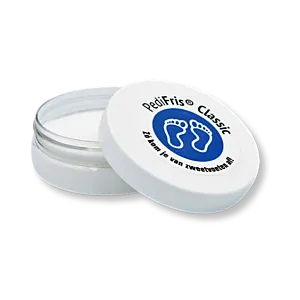
You can also combat bacteria and fungi in your shoes with PediFris® Classic. The powder disinfects your shoes from the inside out, reducing the chance of these organisms affecting your skin.

Tackle pitted keratolysis on your feet and in your shoes

PediSpray® helps reduce excessive sweating, whilst PediFris® Classic disinfects your shoes and combats bacteria and fungi. This helps tackle the circumstances in which pitted keratolysis can keep recurring.

PediSpray® Regular

PediSpray® Regular 3-pack

2+1 free

PediSpray® Strong

PediSpray® Strong 3-pack

2+1 free

PediFris® Classic

PediFris® Classic 3-pack

2+1 free

How do you recognise pitted keratolysis?

Pitted keratolysis can be recognised by small pits or craters in the calloused skin on the soles of your feet. The skin may become soft and whitish, particularly after a long day in closed shoes or after exercise. This is often accompanied by a strong, unpleasant odour of sweat.

The medical term is pitted keratolysis. It is caused by bacteria that thrive on warm, damp feet and in shoes that do not dry properly. Pitted keratolysis sometimes resembles athlete’s foot, but it is a bacterial skin infection. If in doubt, or if you experience pain, sores or persistent symptoms, it is advisable to contact your GP.

The cause lies in bacteria, such as Corynebacterium species, which thrive on warm, damp feet and in shoes

The medical term is pitted keratolysis. Other names include:

  • keratoma sulcatum;

  • keratolysis plantare sulcatum;

  • keratosis plantaris sulcatum;

  • ringed keratolysis.

pitted-keratolysis

What causes pitted keratolysis?

Pitted soles are caused by bacteria that thrive in a warm, moist environment. These bacteria produce enzymes that break down the top layer of skin. This results in small pits or craters. The odour is caused by substances produced by the bacteria during this process.

You are more likely to develop pitted keratolysis if:

  • sweaty feet;

  • damp socks;

  • tight-fitting shoes;

  • rubber or poorly ventilated work shoes;

  • sports;

  • standing or walking for long periods;

  • warm conditions;

  • shoes that do not dry properly;

  • recurrent foot odour.

Pitted soles are usually not dangerous, but can be troublesome due to odour, itching, pain or embarrassment. According to Thuisarts, pitted soles are not dangerous and are not contagious.

★ ★ ★ ★ ⯨
8,9 Based on 3.673 reviews
NL Rob Jochems
★ ★ ★ ★ ★ 29 Jul. 2026
"I’ve found it extremely helpful. Top-notch stuff."
Translated
NL Laura
★ ★ ★ ★ ☆ 17 Jul. 2026
"Great stuff! Works super-fast on pitted soles and the odour disappeared straight away after the firs..."
Translated
NL Linda Heeren
★ ★ ★ ★ ★ 03 Jul. 2026
"The only product that really works. "
Translated
NL Rolf
★ ★ ★ ★ ★ 03 Jul. 2026
"Can’t say much about it yet… I’ve only had it for a week. My initial impression is that it’s effecti..."
Translated
DE Dirk Wendland
★ ★ ★ ★ ★ 01 Jul. 2026
"Everything’s great – would definitely buy again – very good and effective products – fast delivery"
Translated
NL Richard F
★ ★ ★ ★ ★ 22 Jun. 2026
"Despite my initial scepticism, I must admit that my feet no longer sweat. I wonder if it will stay t..."
Translated
NL Anna Schenk
★ ★ ★ ★ ★ 12 Jun. 2026
"Haven’t received the order yet. After contacting customer service, the order was reshipped and has n..."
Translated

Pitted keratolysis is not contagious but is bothersome and can sometimes be painful

PediFris® Classic in the shoe and PediSpray® on the skin help to tackle the damp environment that causes pitted soles

What can be done about pitted soles?

Do you suffer from pitted keratolysis, small holes on the soles of your feet or a strong foot odour? If so, it is important not only to treat the pitted areas themselves, but above all to address the conditions that cause them:sweat, moisture, heat and closed shoes.

How to treat pitted keratolysis

  1. Keep your feet as dry as possible
    Dry your feet thoroughly after showering, including between your toes. Pitted keratolysis is more likely to develop if the skin remains damp for a long time.

  2. Wear clean socks every day
    Preferably choose breathable socks and change them more often if you are prone to sweaty feet.

  3. Let your shoes air out properly
    Do not wear the same pair of shoes every day. Allow shoes to dry completely before wearing them again.

  4. Use a remedy for sweaty feet
    PediSpray® Regular (15% aluminium chloride) or PediSpray® Strong (20% aluminium chloride) Helps to reduce sweaty feet. Less moisture on the skin means a less favourable environment for the bacteria that cause pitted keratolysis.

  5. Use shoe powder to combat damp and odour
    With PediFris® Classic Keep your shoes fresher and drier. This helps to manage pitted keratolysis, especially if you wear a lot of closed shoes or work boots.

  6. Are your symptoms persisting? See your GP.
    If your symptoms persist, or if you are experiencing pain, sores or have diabetes, please contact your GP.

Reduce the risk of pitted keratolysis

Keep your feet dry, wear clean socks, air your shoes and, where necessary, reduce sweating with PediSpray®

When should you see your GP about pitted keratolysis?

Contact your GP if:

  • You think you have pitted keratolysis and the symptoms aren’t getting any better;

  • you suffer a lot from itching, pain, sweaty feet or an unpleasant odour;

  • the skin peels or becomes painful;

  • you’re unsure whether it’s pitted keratolysis, athlete’s foot, warts or eczema;

  • you have diabetes or a weakened immune system;

  • the symptoms keep recurring.

If your symptoms persist, or if you are experiencing pain, sores or have diabetes, please contact your GP.

Frequently asked questions about pitted keratolysis

Answers on how to recognise it, its causes, treatment, prevention and when to see your GP. Includes pitted keratolysis and how it differs from athlete’s foot.

How do you recognise pitted keratolysis?

Pitted keratolysis can be recognised by small pits or dimples in the calloused layer of the sole of the foot, often on the ball of the foot or the heel, sometimes accompanied by a strong odour and softer skin. Medically, this is known as pitted keratolysis; it is a bacterial condition, not classic athlete’s foot.

Is ‘Pitted keratolysis’ a fungal infection?

No, pitted keratolysis is caused by bacteria, so antifungal treatment alone is often not enough if your feet and shoes remain damp. Keeping your feet and shoes dry remains the key; if in doubt, have it checked by your GP.

Are pitted soles contagious?

No, according to Thuisarts, pitted keratolysis is not contagious: you cannot catch it from someone else, nor can you pass it on. The bacteria are normally already present on the skin and thrive particularly in warm, damp conditions inside shoes.

What can be done about pitted soles?

Wash and dry your feet thoroughly (including between the toes), change your socks, air out your shoes and reduce sweating on the skin so that bacteria have less moisture to thrive in. If pain, itching or odour persist, ask your GP for a topical treatment.

What treatment helps with pitted keratolysis?

PediSpray® helps keep the skin drier and PediFris® Classic helps keep shoes fresh and dry. Always follow the instructions for use on the packaging.

Does aluminium chloride help with pitted keratolysis?

Aluminium chloride inhibits perspiration on the skin. Dry feet give the bacteria that cause pitted keratolysis less opportunity to grow. Follow the instructions for use and contact your GP if symptoms persist.

How long does it take for pitted keratolysis to improve?

How quickly pitted keratolysis improves varies from person to person and depends on dry feet, dry shoes and whether the GP considers local treatment necessary. The odour may subside before the pits disappear; without addressing moisture, symptoms often recur.

Do vinegar or home remedies help with pitted keratolysis?

There is no reliable evidence that vinegar, tea tree oil or bleach safely and effectively removes pitted soles, and such substances may irritate the skin. Instead, opt for dry feet, clean socks, airing out your shoes and, if desired, PediSpray® plus PediFris® Classic.

How can you prevent pitted keratolysis from recurring?

Prevention mainly involves keeping feet dry and ensuring a fresh environment inside your shoes: dry between your toes daily, change your socks and air out your shoes regularly. If you sweat easily, continue to use PediSpray® on your skin and PediFris® Classic in dry shoes.

When should you see your GP about pitted keratolysis?

If your symptoms persist, or if you are experiencing pain, sores or have diabetes, please contact your GP.

About the author & sources

Written by Judith de Jong (Content owner, PediFris®). Medically reviewed by Sébastien Dequidt, podiatrist. Updated on 30 July 2026. We base our advice on foot care practice and on the medical sources listed below.

Worried about a persistent complaint, fungal nail, athlete’s foot or excessive sweating? Consult your GP, podiatrist or chiropodist.

Sources

WebwinkelKeur 8,9 WebwinkelKeur
★ ★ ★ ★ ⯨ 8,9
3.673 reviews