

Heel Spur - Relieving Heel Pain
Heel spur: symptoms, causes, treatment and prevention. Relieve heel pain with rest, cooling, insoles, and good shoes.
Heel Spur – Relieving Heel Pain
Heel spur (plantar fasciitis) is characterised by calcification or inflammation of the heel fascia. It causes sharp, stabbing pain in the heel, especially with the first steps after rest. Here you can read about causes, symptoms, treatment, and prevention.
What is heel spur?
Heel spur is a common cause of heel pain. Overloading of the heel bone or fascia leads to inflammation or calcification. Causes: overpronation, shortened Achilles tendons or calf muscles, overweight, sports or extensive walking. Poor footwear and prolonged standing can also contribute.

Symptoms of heel spur
Sharp pain with the first steps after getting up or after sitting for a long time. Pain when standing or walking for extended periods. Sometimes pain while driving due to foot position on the pedal. The pain often radiates through the foot.
Treatment of heel spur
Rest and adjust load – choose activities with less impact (swimming, cycling). Wear quality shoes, do not walk barefoot. Cooling – use an ice pack on the painful area for a few minutes a day. Heel spur insoles – cushioning insoles relieve overload of the fascia. For persistent complaints: shockwave therapy or consult a podiatrist. Painkillers (paracetamol) or anti-inflammatories (ibuprofen) can provide temporary relief.
Preventing heel spur
Choose shoes with good arch support and sufficient cushioning. Avoid thin or worn-out soles. Heel spur insoles can help preventively. Replace old shoes in time. A barefoot walk on the beach strengthens feet, calves, and Achilles tendon – but do not overdo it. For flat feet or overpronation: seek advice on suitable insoles.
```
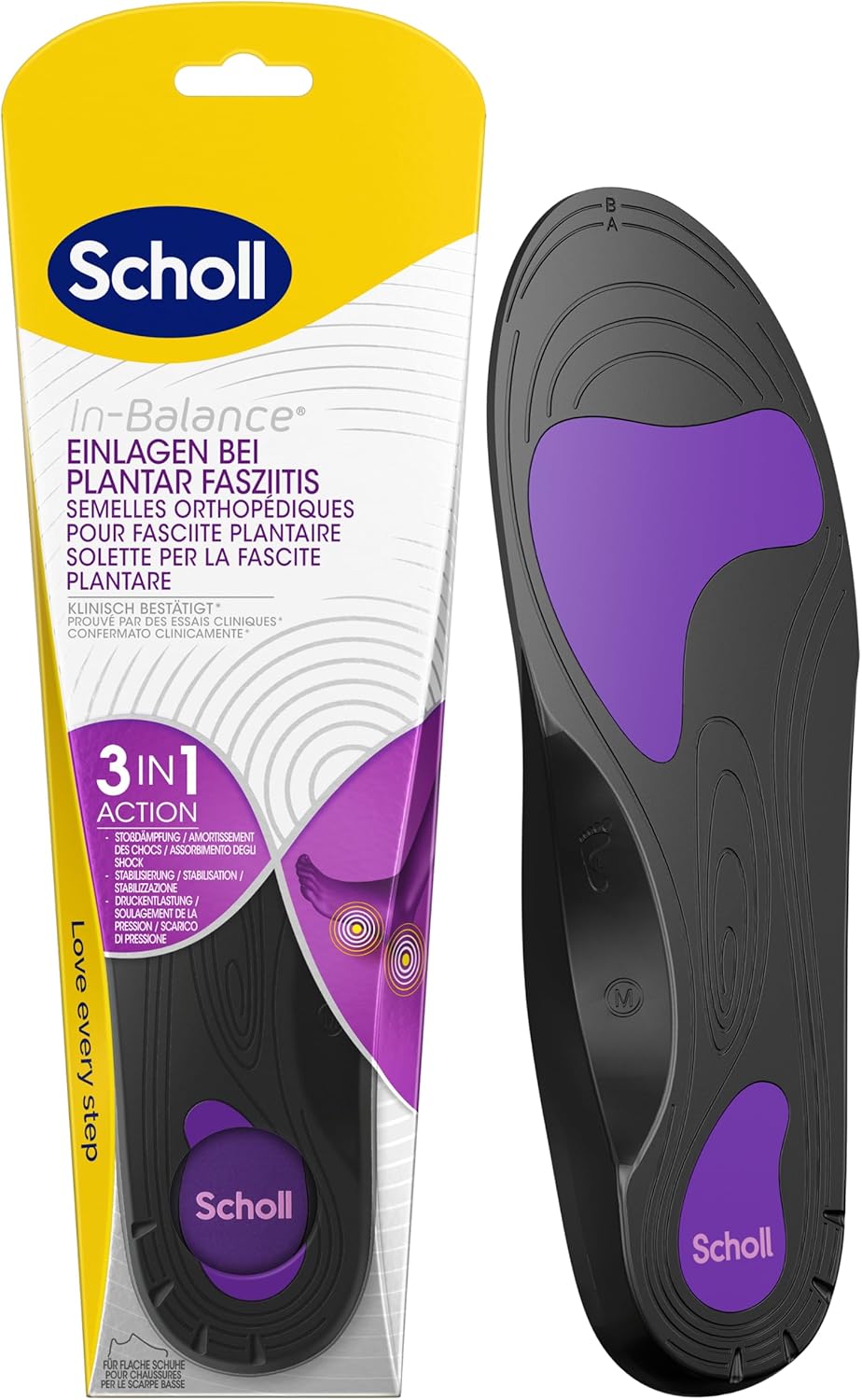
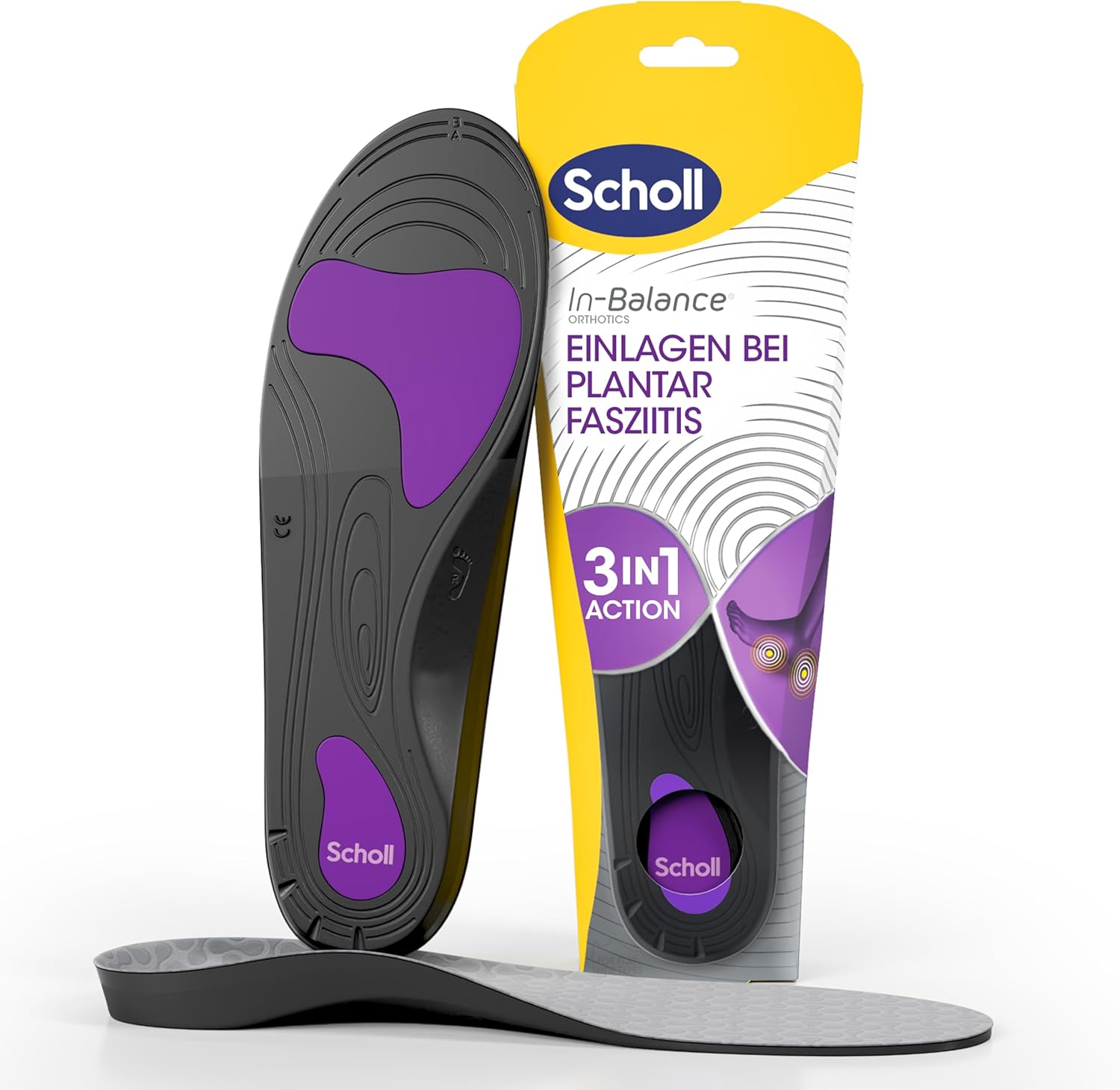
Product recommendation
PowerStep Pinnacle Insoles
Podiatrist-recommended full-length insoles for plantar fasciitis and heel spurs. Deep heel cup and firm arch support – approx. £45, 4.5★.Frequently Asked Questions about Heel Spurs
Answers to the most frequently asked questions about heel spurs, plantar fasciitis, and heel pain.
What causes heel spurs?
Overloading of the heel bone or the plantar fascia. Causes: overpronation, shortened Achilles tendons or calf muscles, overweight, sports, a lot of walking or standing, poor footwear with little cushioning.
Do heel spur insoles help?
Yes. Insoles with cushioning and arch support reduce the strain on the plantar fascia. They can help with both treatment and prevention. Seek advice from a podiatrist or specialist.
When to see a podiatrist for heel spurs?
```html
If the pain persists despite rest and insoles. A podiatrist may recommend shockwave therapy, fit appropriate insoles, or suggest other treatments. Search via pedicure.nl for a podiatrist near you.
```What is heel spur?
Heel spur is a condition where calcification or inflammation of the plantar fascia (plantar fasciitis) causes sharp pain in the heel. Often due to overuse, overpronation, shortened Achilles tendons, overweight, or poor footwear.
How do I treat heel spurs?
Rest, cool with an ice pack, and heel spur insoles for cushioning. Adjust activity (swimming, cycling instead of running). Painkillers or anti-inflammatories can help temporarily. For persistent complaints: consult shockwave therapy or a podiatrist.
How can I prevent heel spurs?
Shoes with good arch support and cushioning. Replace worn-out shoes in time. Heel spur insoles can help preventively. For flat feet or overpronation: seek advice on suitable insoles.
Why do I experience pain with the first steps?
After rest, muscles and tendons stiffen. The combination of stiffness and the inflammation or calcification in heel spurs then causes sharp pain. This is a typical symptom of plantar fasciitis.
.svg)
 Jan henk Crouwers
★
★
★
★
★
15 Sep. 2026
"I’ve been using this product for years; it works very well against odours, and the powder helps with..."
Translated
Thomas De Jager
★
★
★
★
★
07 Sep. 2026
"Really effective stuff.
Dispatched quickly in a letterbox parcel.
Brilliant!"
Translated
Roger Schmidt
★
★
★
★
★
30 Aug. 2026
"The product works brilliantly, ordering it was easy, but delivery took longer than usual. That’s why..."
Translated
Wicher
★
★
★
★
★
29 Aug. 2026
"Fantastic products! Finally, no more pitted soles. "
Translated
IdKvH
★
★
★
★
★
24 Aug. 2026
"Fast delivery, does what it promises"
Translated
Helmut Tijssen
★
★
★
★
★
21 Aug. 2026
"Significantly less foot odour. I’ve only been using it for 2 days, but the difference is immediately..."
Translated
Bernd
★
★
★
★
★
19 Aug. 2026
"Fast delivery, fantastic product :)"
Translated
Pim
★
★
★
★
☆
18 Aug. 2026
"Dear Pedifris team,
The order was delivered on time. I’ve now used it twice – both the strong spray..."
Translated
 Bernd
Bernd
★
★
★
★
★
17 Aug. 2026
"I’ve only been using it for 3 days, but it worked right from the first application. I’m really pleas..."
Translated
 roger christiaen
★
★
★
★
★
13 Aug. 2026
"I’m satisfied and have bought it for the second time – thank you"
Translated
|
|
The texts on this page have been carefully compiled. Sources used include: Thuisarts – heel spur and Footcare – heel spur. |
