
EU produced Free shipping from €40
Athlete's Foot (Tinea Pedis): Symptoms and Treatment

Athlete's Foot (Tinea Pedis): Symptoms and Treatment

Athlete's foot (tinea pedis): symptoms, treatment and prevention.

Athlete's Foot: What Exactly Is It?

Athlete's foot, scientifically known as ’tinea pedis’, is a common skin condition caused by certain types of fungi. These fungi thrive in moist and warm environments, such as in shoes and between toes.

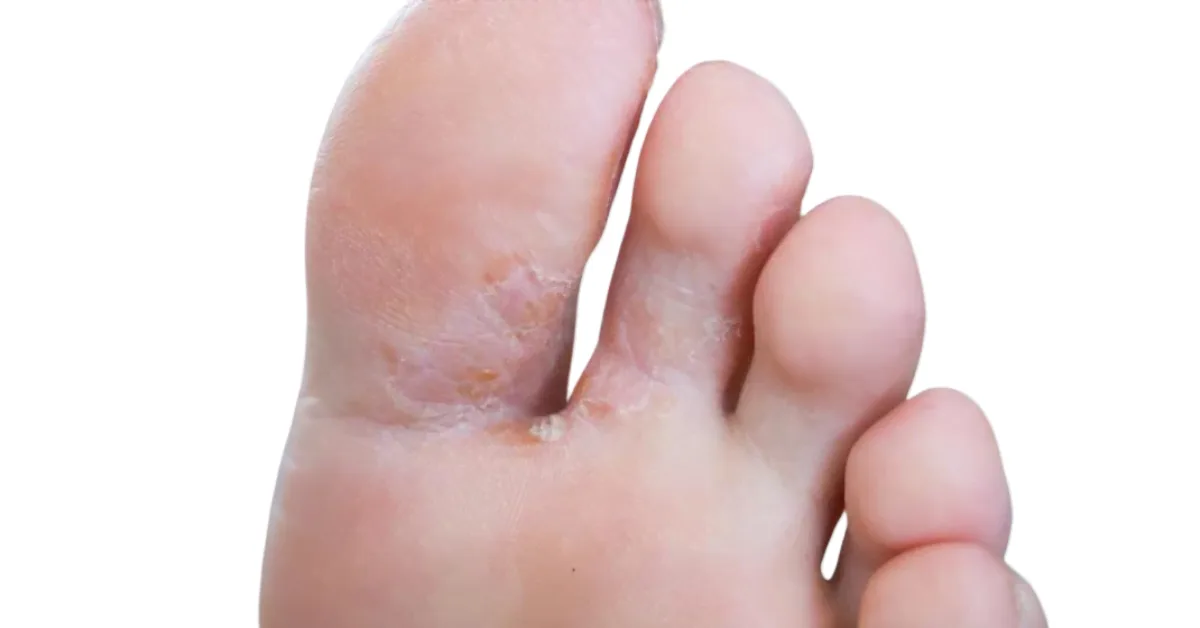
When they infect the skin, this can lead to symptoms such as redness, itching, scaling, and sometimes blistering. It is important to recognise this condition early and treat it adequately to prevent spreading and complications.

How to Recognise Athlete's Foot?

Recognising the symptoms is crucial for timely treatment and to prevent further spreading. Here are the main characteristics by which you can recognise athlete's foot

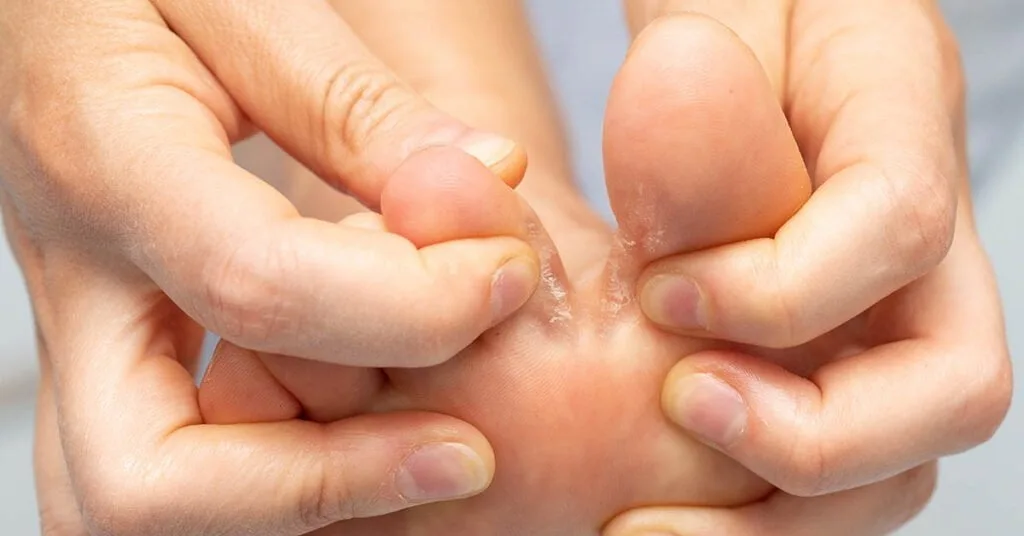
Itching: One of the first and most common symptoms of athlete's foot is persistent itching between the toes or on other parts of the foot.

Redness and Inflammation: The infected skin may become red and inflamed, sometimes accompanied by a burning sensation.

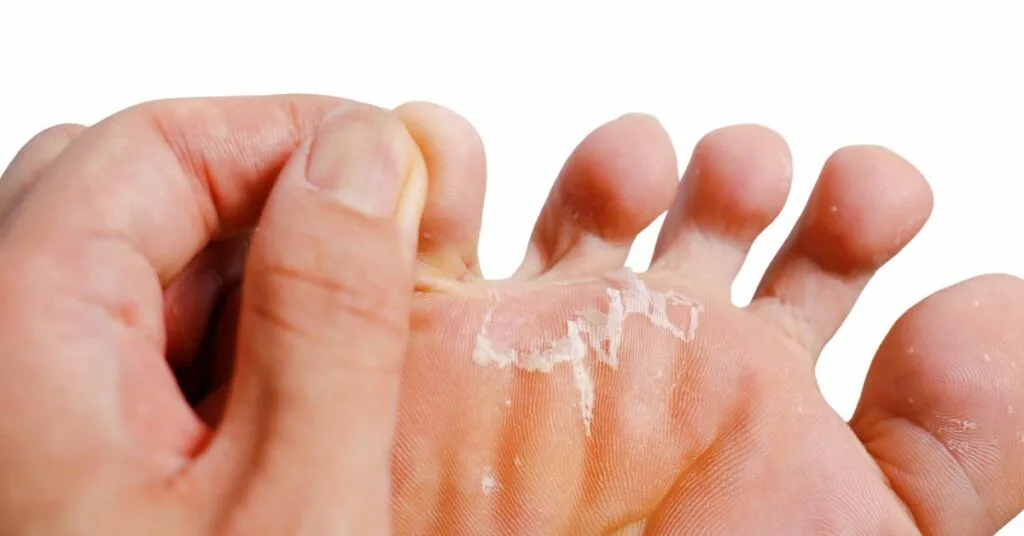
Scaling: The skin may start to flake, especially between the toes. This may be accompanied by a white, moist skin.

Blisters or Bubbles: In some cases, small, fluid-filled itchy blisters or bubbles may form on the foot, which can burst and release fluid.

Bad Odour: An unpleasant odour is often associated with athlete's foot due to bacterial activity.

Thickening or Discolouration of the Nails: Although this is more commonly associated with fungal nails (onychomycosis), a fungus affecting the nails can also cause athlete's foot and vice versa.

Cracks or Fissures: With progressive infection, cracks or fissures may develop in the skin, especially on the heels or sides of the foot.

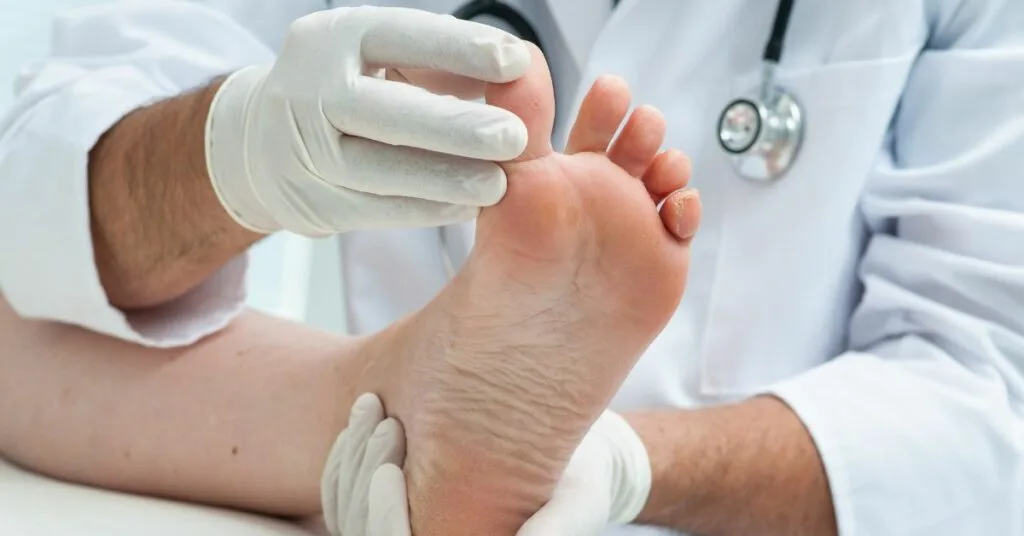
If you suspect you have athlete's foot, it is advisable to consult a doctor or podiatrist as soon as possible for an accurate diagnosis and treatment.

Prevention is better than cure, so ensure good foot hygiene and avoid situations where you are at risk of infection.

How Can You Treat Athlete's Foot?

The treatment focuses on eliminating the fungus and preventing a new infection. Here are some general steps and recommendations:

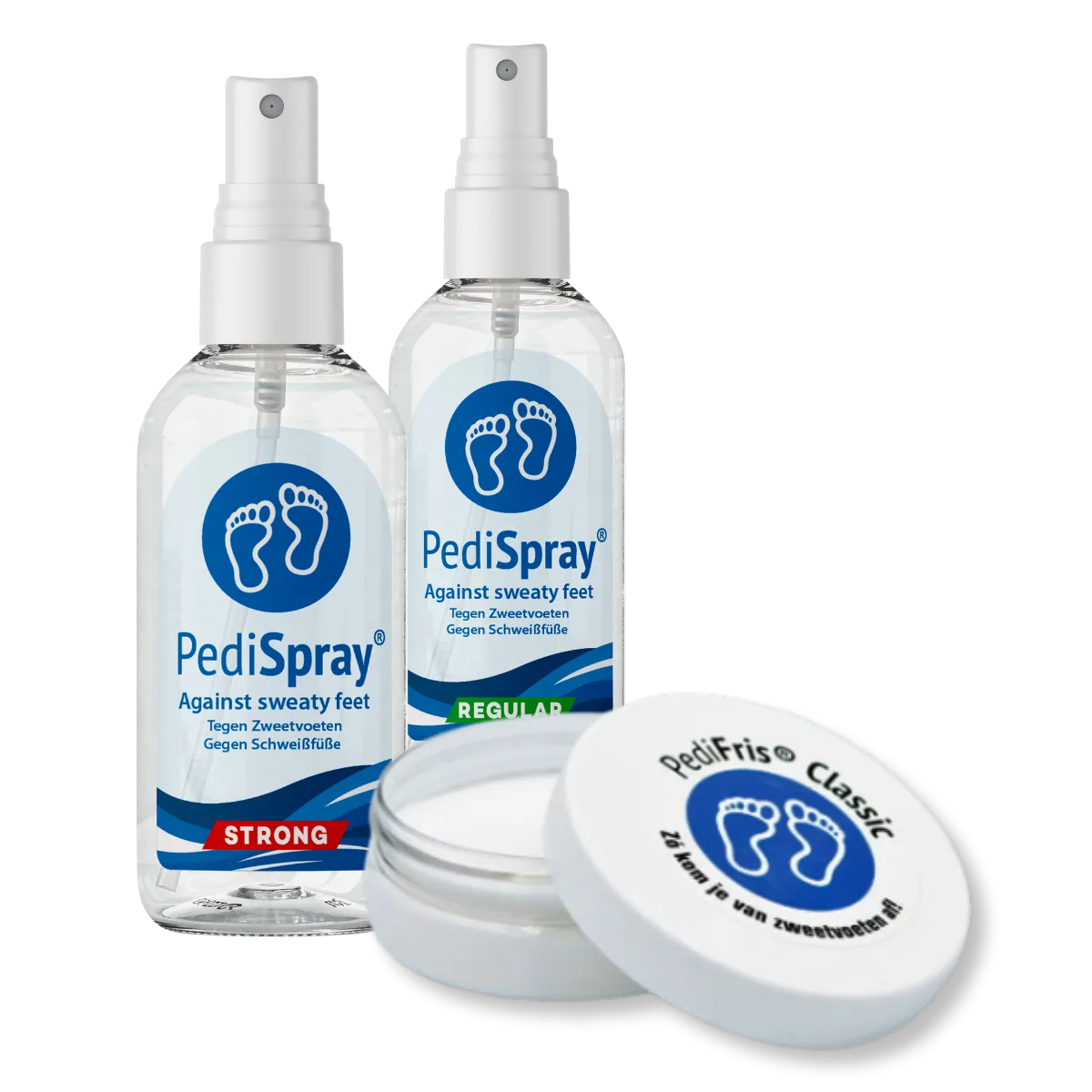
PediSpray® Strong

PediSpray® Strong

Means against excessive sweating.

View product
PediSpray® Strong 3-pack

PediSpray® Strong 3-pack

Extra strong foot spray. Value 3-pack.

View product
PediSpray® Regular

PediSpray® Regular

Means against excessive sweating.

View product
PediSpray® Regular 3-pack

PediSpray® Regular 3-pack

Foot spray against sweating. Value 3-pack.

View product

Treatment of Shoes: Besides treating the feet, it is also important to treat your shoes to prevent reinfection. Pedifris can be sprinkled in shoes or socks to kill fungal spores.

PediFris® Classic

PediFris® Classic

Fights odour and excessive sweating.

View product
PediFris® Classic 3-pack

PediFris® Classic 3-pack

Foot and shoe powder against odour and sweating. Value 3-pack.

View product

Antifungal Creams and Ointments: Various over-the-counter antifungal products are available at the pharmacy. These should be applied according to the instructions on the packaging.

Consult a Doctor: If the symptoms of athlete's foot persist or worsen, despite using over-the-counter remedies and Pedifris Classic, it is advisable to consult a doctor or dermatologist. They can prescribe a stronger antifungal treatment.

Early recognition and treatment of athlete's foot is crucial. By following a consistent treatment plan and taking preventive measures, you can effectively combat athlete's foot and prevent recurring infections.

How to Prevent Athlete's Foot

There are various measures that can be taken to prevent or reduce athlete's foot. Here are some recommendations:

Hygiene is essential: Wash feet daily with water and soap and dry them thoroughly, especially between the toes where athlete's foot often nests.

Wear breathable shoes: Avoid wearing tight, enclosed shoes. Instead, opt for shoes that breathe, such as real leather shoes or sports shoes with ventilation holes.

Avoid damp environments: Fungi thrive in damp environments. Therefore, ensure that feet remain as dry as possible. If feet sweat, consider wearing special moisture-wicking socks or sprinkling talcum powder on the feet before putting on shoes.

Regularly change shoes and socks: If shoes have become damp from sweat, give them time to dry completely before wearing them again. Changing socks daily can also help prevent athlete's foot.

Wear slippers in public places: Public showers, swimming pools, and changing rooms are often breeding grounds for fungi. Protect feet by wearing slippers in these areas.

Keep nails short and clean: Fungi can nest under the nail edge. Regularly trimming and cleaning nails can prevent this.

Do not share personal items: Avoid sharing shoes, socks, towels, and other personal items, as fungi can reside on them.

Treat foot problems promptly: Calluses, blisters, or small wounds can disrupt the skin barrier and pave the way for fungi. Therefore, treat these problems promptly and keep the affected areas clean and dry.

Prevention is the best approach when it comes to athlete's foot. By maintaining good foot hygiene and being aware of the risks, athlete's foot can be effectively kept at bay.

Causes of Athlete's Foot

Athlete's foot feeds on dead skin cells and moisture. These fungi reproduce particularly well under certain conditions.

Below is a description of the main causes and contributing factors for the development of athlete's foot:

Heat and Moisture: Fungi thrive in warm and moist environments. Wearing poorly ventilated shoes, especially for long periods, can increase the risk of athlete's foot.

Public Places: Walking barefoot in public places such as swimming pools, showers, and changing rooms can increase the risk of infection, as these are often breeding grounds for fungi.

Insufficient Foot Hygiene: Irregular washing of the feet or not thoroughly drying the feet, especially between the toes, can create a favourable environment for fungal growth.

Damaged Skin or Nails: Small cuts, abrasions, or damaged toenails can provide an entry point for athlete's foot.

Shared Items: Sharing shoes, socks, or towels with someone who has athlete's foot can transmit the fungus.

It is important to be aware of these causes and take preventive measures to minimise the risk of athlete's foot.

What to Do with Persistent Athlete's Foot?

Athlete's foot can be both uncomfortable and frustrating. If the condition persists despite treatment attempts, it is important to consider a more targeted and intensive approach. Below are some steps you can take with persistent athlete's foot:

Consult a Doctor or Dermatologist: For persistent or recurring athlete's foot, it is advisable to seek medical advice. A specialist can assess the condition and prescribe a more effective treatment.

Antifungal Creams and Ointments: These are available by prescription or over-the-counter. A doctor can prescribe a stronger variant if over-the-counter products have not been effective.

Oral Anti-Athlete's Foot Medication: For very persistent cases, an oral antifungal medication such as terbinafine or itraconazole may be prescribed. These medications are only available by prescription and have potential side effects, so they are usually only used if other treatments have not been effective.

Remain Consistent with the Treatment: It is crucial to continue the treatment for the full recommended duration, even if the symptoms disappear earlier. This reduces the risk of the infection returning.

If athlete's foot continues to recur despite consistent treatment and preventive measures, this may indicate an underlying health problem or another skin condition that resembles athlete's foot. In such cases, it is important to consult a doctor for an accurate diagnosis and treatment.

Product advies

Productadvies

```html

PediSpray® foot spray

The remedy for sweaty feet that truly ensures the feet secrete less sweat ```

Product advies

Productadvies

```html

PediFris® Classic

Specially designed to combat unpleasant odour and excessive perspiration of the soles and between the toes using the unique PediFris formula. ```

In short

Hygiene

Ensure your feet are clean by washing them with a mild, pH-neutral soap.

Remedy for athlete's foot

Use PediFris® shoe powder to keep your feet and shoes free from fungus and use a remedy for sweaty feet like PediSpray® to keep the feet dry so that the fungus has no breeding ground

Wear slippers in public changing rooms

Wear slippers in public shower and changing rooms and dry the slippers well after showering.

Preventing Athlete's Foot
Always wash feet thoroughly with a mild soap and rinse off soap residue well. Then dry the feet thoroughly. If necessary, use a hairdryer to dry the spaces between the toes. Wear thin cotton socks and well-ventilated shoes. Wear flip-flops in public bathing areas (swimming pool, sauna, sports hall).
★ ★ ★ ★ ⯨
8,9 Based on 3.589 reviews
NL Dmitry Vakulich
★ ★ ★ ★ ★ 14 Mar. 2026
"Alles is geweldig, uitstekende service."
NL Dirk Pot
★ ★ ★ ★ ★ 09 Mar. 2026
"Een perfect product echt geen zweetvoeten meer"
BE John Martin
★ ★ ★ ★ ★ 07 Mar. 2026
"Kan niet verbeterd worden! Perfect!"
NL Conny Nooten
★ ★ ★ ★ ★ 06 Mar. 2026
"Super product, dit werkt echt!! Mijn zoon heeft al jaren last van erg ruikende voeten en schoenen, w..."
NL Amanda Davenpoort
★ ★ ★ ☆ ☆ 06 Mar. 2026
"Levering duurde erg lang."
NL Norbert Kampschulte
★ ★ ★ ★ ★ 05 Mar. 2026
"Bin sehr zufrieden."
NL Danny De koning
★ ★ ★ ★ ★ 04 Mar. 2026
"Doet wat her hoord te doen top spul "
BE gustaaf Schrauwen
★ ★ ★ ★ ★ 20 Feb. 2026
"zeer goede service"
NL Lianne
★ ★ ★ ★ ★ 17 Feb. 2026
"Dit product werkt echt. Beter dan de wasmachine!"
DE Joe
★ ★ ★ ★ ★ 16 Feb. 2026
"Hat alles wunderbar geklappt, Ware ist wie beschrieben 👍"

Frequently Asked Questions

Athlete's foot: what exactly is it?

```html

Athlete's foot, scientifically known as 'tinea pedis', is a common skin condition caused by certain types of fungi. These fungi thrive in moist and warm environments, such as in shoes and between toes.

When they infect the skin, it can lead to symptoms such as redness, itching, scaling, and sometimes blistering. It is important to recognise this condition early and treat it adequately to prevent spreading and complications.

```

How to recognise athlete's foot?

```html

Recognising the symptoms is crucial for timely treatment and to prevent further spread. Here are the main characteristics by which you can recognise athlete's foot:

Itching: One of the first and most common symptoms of athlete's foot is persistent itching between the toes or on other parts of the foot.

Redness and Inflammation: The infected skin may become red and inflamed, sometimes accompanied by a burning sensation.

Scaling: The skin may start to peel, especially between the toes. This may be accompanied by a white, moist skin.

Blisters or Sores: In some cases, small, fluid-filled itchy blisters or sores may develop on the foot, which can burst and release fluid.

Unpleasant Odour: An unpleasant odour is often associated with athlete's foot due to bacterial activity.

Thickening or Discolouration of the Nails: Although more commonly associated with fungal nails (onychomycosis), a fungus affecting the nails can also cause athlete's foot and vice versa.

Cracks or Fissures: As the infection progresses, cracks or fissures may develop in the skin, especially on the heels or sides of the foot.

If you suspect you have athlete's foot, it is advisable to consult a doctor or podiatrist as soon as possible for a proper diagnosis and treatment.

However, prevention is better than cure, so ensure good foot hygiene and avoid situations where you are at risk of infection.

```

How can you treat athlete's foot?

```html

The treatment focuses on eliminating the fungus and preventing a new infection. Here are some general steps and recommendations:

  • PediSpray®: Use PediSpray®, a product with aluminium chloride, to reduce excessive sweating and thus counteract the growth of fungi. Aluminium chloride helps reduce sweat production, keeping your feet drier and decreasing the chance of athlete's foot.
PediSpray® Strong

PediSpray® Strong

Means against excessive sweating.

View product
PediSpray® Strong 3-pack

PediSpray® Strong 3-pack

Extra strong foot spray. Value 3-pack.

View product
PediSpray® Regular

PediSpray® Regular

Means against excessive sweating.

View product
PediSpray® Regular 3-pack

PediSpray® Regular 3-pack

Foot spray against sweating. Value 3-pack.

View product

Treatment of Shoes: In addition to treating the feet, it is also important to treat your shoes to prevent reinfection. Pedifris can be sprinkled in shoes or socks to kill fungal spores.

  • Pedifris Classic: This product helps combat athlete's foot and also prevents sweaty feet, which can be a breeding ground for fungi. Sprinkle Pedifris Classic in your shoes daily to fight the fungus and prevent the formation of new fungi. It not only helps to combat the fungus but also neutralises unpleasant odours.

Antifungal Creams and Ointments: Various over-the-counter antifungal products are available at the pharmacy. These should be applied according to the instructions on the packaging.

Consult a Doctor: If the symptoms of athlete's foot persist or worsen, despite the use of over-the-counter remedies and Pedifris Classic, it is advisable to consult a doctor or dermatologist. They can prescribe a stronger antifungal treatment.

Early recognition and treatment of athlete's foot is crucial. By following a consistent treatment plan and taking preventive measures, you can effectively combat athlete's foot and prevent recurring infections.

```

How to prevent athlete's foot

```html

There are various measures that can be taken to prevent or reduce athlete's foot. Here are some recommendations:

Hygiene is essential: Wash feet daily with water and soap and dry them carefully, especially between the toes where athlete's foot often nests.

Wear breathable shoes: Avoid wearing tight, enclosed shoes. Instead, choose shoes that breathe, such as real leather shoes or sports shoes with ventilation holes.

Avoid damp environments: Fungi thrive in damp environments. Therefore, ensure feet remain as dry as possible. If feet sweat, you might consider wearing special moisture-wicking socks or sprinkling talcum powder on the feet before putting on shoes.

Regularly change shoes and socks: If shoes have become damp from sweat, allow them time to dry completely before wearing them again. Changing socks daily can also help prevent athlete's foot.

Wear slippers in public areas: Public showers, swimming pools, and changing rooms are often breeding grounds for fungi. Protect feet by wearing slippers in these areas.

Keep nails short and clean: Fungi can nest under the nail edge. Regularly trimming and cleaning nails can prevent this.

Do not share personal items: Avoid sharing shoes, socks, towels, and other personal items, as fungi can reside on them.

Treat foot problems promptly: Calluses, blisters, or small wounds can disrupt the skin's barrier and pave the way for fungi. Therefore, treat these problems promptly and keep the affected areas clean and dry.

Prevention is the best approach when it comes to athlete's foot. By maintaining good foot hygiene and being aware of the risks, one can effectively keep athlete's foot at bay.

```

Causes of athlete's foot

```html

Athlete's foot feeds on dead skin cells and moisture. These fungi thrive particularly well under certain conditions.

Below is a description of the main causes and contributing factors for the development of athlete's foot:

Heat and Moisture: Fungi thrive in warm and moist environments. Wearing poorly ventilated shoes, especially for long periods, can increase the risk of athlete's foot.

Public Spaces: Walking barefoot in public spaces such as swimming pools, showers, and changing rooms can increase the risk of infection, as these are often breeding grounds for fungi.

Insufficient Foot Hygiene: Irregular washing of the feet or not thoroughly drying the feet, especially between the toes, can create a favourable environment for fungal growth.

Damaged Skin or Nails: Small cuts, abrasions, or damaged toenails can provide an entry point for athlete's foot.

Shared Items: Sharing shoes, socks, or towels with someone who has athlete's foot can transmit the fungus.

It is important to be aware of these causes and take preventive measures to minimise the risk of athlete's foot.

```

What to do about persistent athlete's foot?

```html

Athlete's foot can be both uncomfortable and frustrating. If the condition persists despite treatment attempts, it is important to consider a more targeted and intensive approach. Below are some steps you can take for persistent athlete's foot:

Consult a doctor or dermatologist: For persistent or recurring athlete's foot, it is advisable to seek medical advice. A specialist can assess the condition and prescribe a more effective treatment.

Antifungal creams and ointments: These are available by prescription or over the counter. A doctor may prescribe a stronger variant if over-the-counter products have proven ineffective.

Oral anti-athlete's foot medication: For very persistent cases, an oral antifungal medication such as terbinafine or itraconazole may be prescribed. These medications are only available by prescription and have potential side effects, so they are usually only used if other treatments have not been effective.

Remain consistent with the treatment: It is crucial to continue the treatment for the full recommended duration, even if the symptoms disappear earlier. This reduces the risk of the infection returning.

If the athlete's foot keeps recurring despite consistent treatment and preventive measures, this may indicate an underlying health issue or another skin condition that resembles athlete's foot. In such cases, it is important to consult a doctor for an accurate diagnosis and treatment.

```
WebwinkelKeur 8,9 WebwinkelKeur
★ ★ ★ ★ ⯨ 8,9
3.589 reviews