Itching and flaking between the toes
Athlete’s foot often starts between the little toe and the toe next to it. The skin may itch, feel a burning sensation, flake, or become white and soft.

Athlete’s foot is often recognised by itching, flaking and cracks between the toes. An effective approach focuses on both the skin of your feet and the shoes you wear. Find out how to recognise the symptoms, how PediSpray® and PediFris® Classic fit into your skincare routine, and when to seek advice on treating the skin infection.
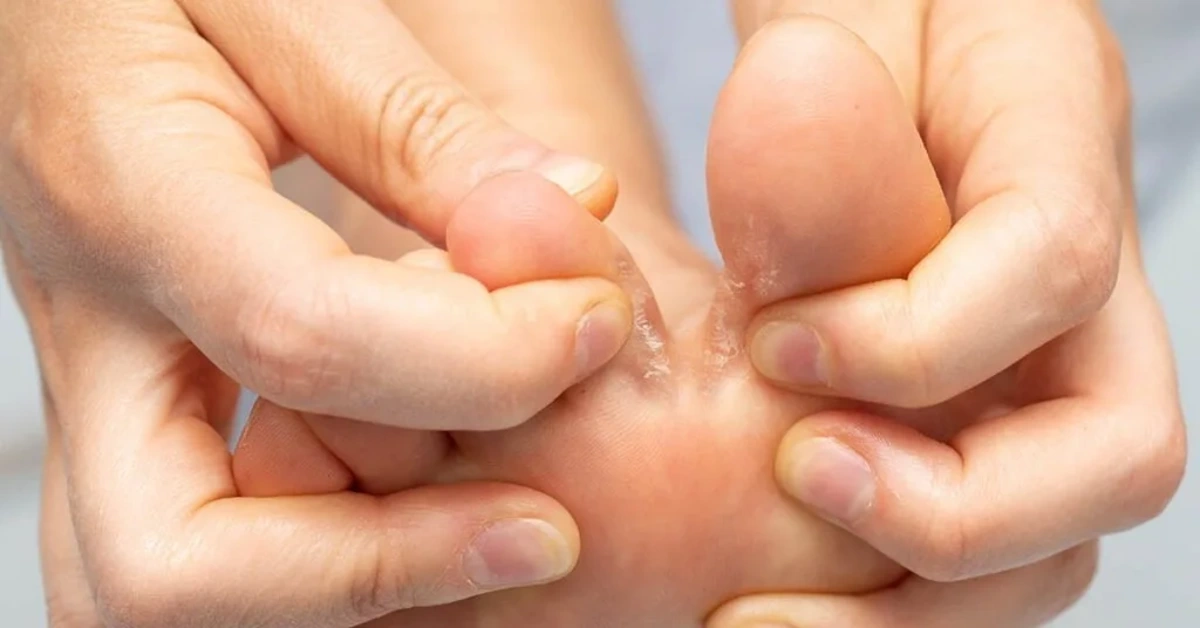
Athlete’s foot, also known as swimmer’s eczema or tinea pedis, is a fungal infection of the skin on the feet. You will often see flaky skin, small cracks or white, soft skin between the toes. Itching and a burning sensation may also be present.
The fungus can also cause flaky patches on the side or underside of the foot. Not every itchy or flaky foot is athlete’s foot: eczema and other skin conditions can look similar. If in doubt, a proper assessment is important.
Athlete’s foot often starts between the little toe and the toe next to it. The skin may itch, feel a burning sensation, flake, or become white and soft.
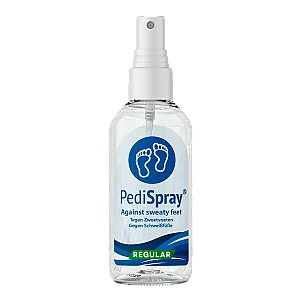
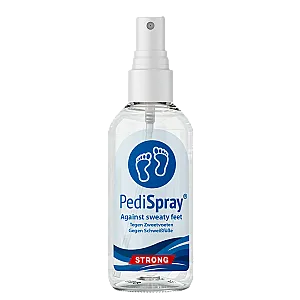
Use an antifungal skin treatment in accordance with the package leaflet. PediFris® Classic works to inhibit fungal growth from inside the shoe. PediSpray® helps keep the feet drier and has a mild antiseptic effect due to camphor. Follow the instructions on the label; use the spray only on intact skin.
Keep the area between the toes dry, replace damp socks and allow shoes to dry completely. These habits support your skincare routine alongside the treatment.
The fungus spreads via skin flakes. Do not share towels, socks or shoes, and wear flip-flops in communal showers and changing rooms.
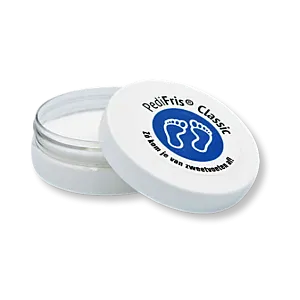
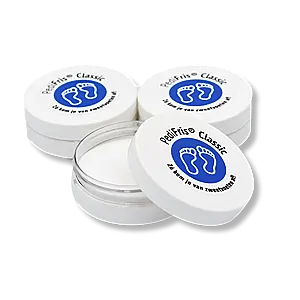
PediFris® Classic has antifungal properties and can help prevent or reduce fungal infections. Simply sprinkle it into your shoes as directed on the packaging. Whilst you are wearing them, it works inside the shoe and on the foot, reducing the micro-organisms that cause foot and shoe odour.
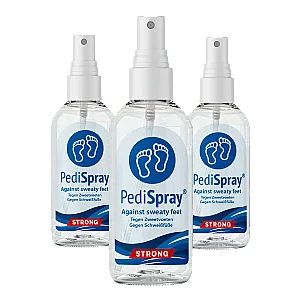
PediSpray® reduces perspiration and thus helps to keep the treated skin on the feet drier. Thanks to camphor, the spray also has a mild antiseptic effect. Combine the products with thorough drying, clean socks and alternating shoes. In the event of an active skin infection, ask your chemist or GP which specific treatment is required.

 Ton
Poppe
john bergman
G
Arnold
Edith
Wjm Gertsen
Anoniem
Dennis Sluimer
 Martina Müller
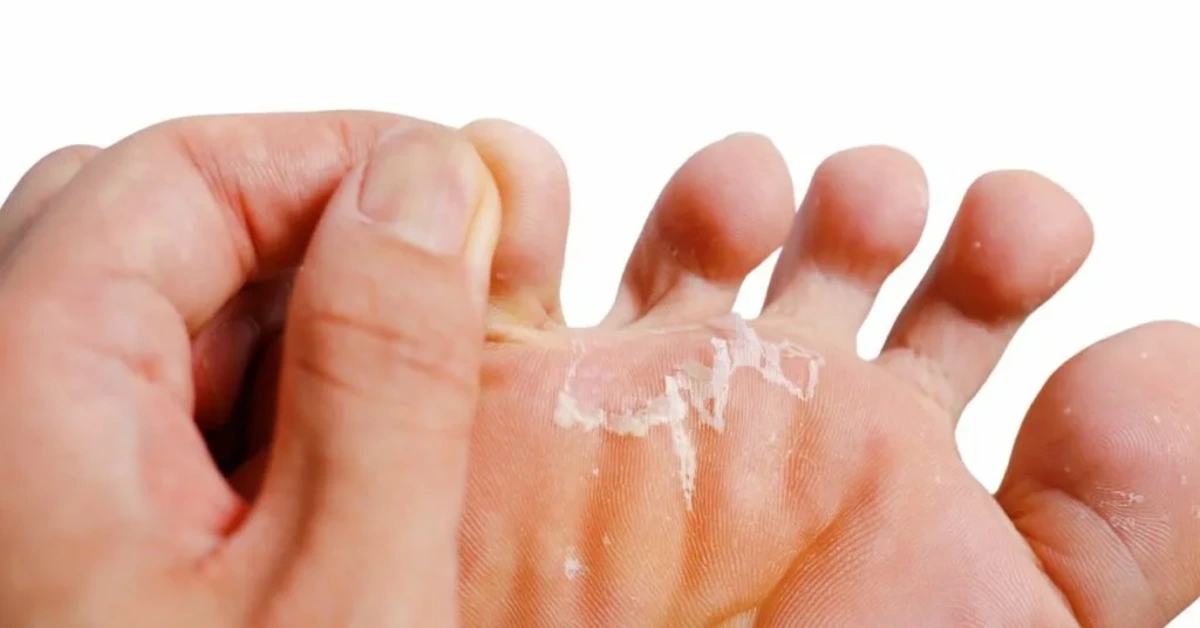
Athlete’s foot is contagious. Flakes of skin can be left behind on floors, towels and in shoes. Warm, damp feet make it easier for the fungus to develop.
Therefore, continue to dry thoroughly between the toes after treatment and change damp socks. Allow shoes to dry completely in between uses and do not share towels or shoes. A regular routine helps to limit new infections, but does not completely rule out a recurrence.
Keep your feet clean, minimise excessive sweating and look after your shoes too. An active fungal infection also requires targeted treatment of the skin.
Wash your feet with water. If you use soap, rinse it off thoroughly. Pat the skin dry, especially between the toes, with a separate clean towel.
Apply PediSpray® as directed on the label to clean, dry and intact skin on the feet. Allow the spray to be absorbed and wait until the skin feels dry before putting on socks and shoes.
Sprinkle PediFris® Classic into your shoes as directed on the packaging. Whilst you are wearing them, the powder works inside the shoe and on your foot. Use it in other shoes that you wear regularly as well.
Put on clean socks every day and change them sooner if they become damp. Wash them according to the care label and allow them to dry thoroughly.
Alternate between pairs of shoes and remove any loose insoles to dry them separately. Wear flip-flops in public showers, swimming pools and changing rooms.
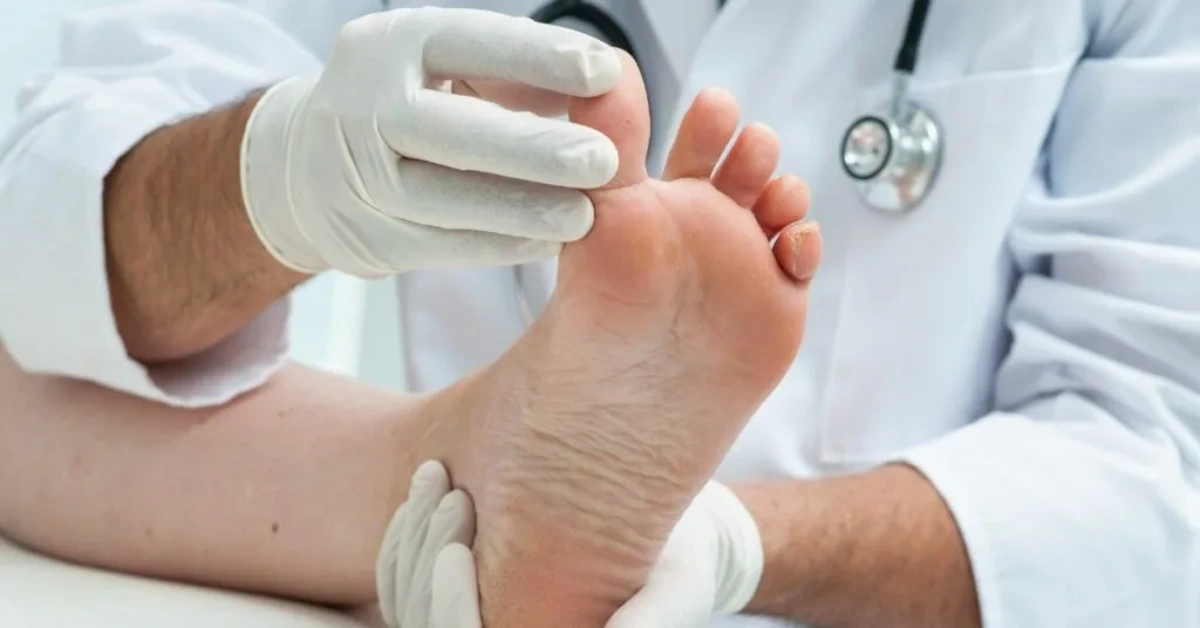
Athlete’s foot is a fungal infection of the skin. A thickened, discoloured or brittle nail may be indicative of a fungal nail infection. Many small pits on the sole of the foot accompanied by a strong odour are more likely to be a sign of pitted keratolysis, a bacterial skin condition.
Do not choose a treatment based solely on odour. The location and appearance of the skin make a difference. Your GP can assess the situation; if symptoms persist, constantly switching treatments yourself is not the best course of action.
Please get in touch if an antifungal treatment used correctly is not helping, if you are unsure about the diagnosis, or if the symptoms keep returning. Also seek advice if you have diabetes or a weakened immune system before treating yourself.
A warm, red, swollen or very painful foot may indicate a secondary infection. In that case, contact your GP, particularly if symptoms are rapidly worsening or if you have a fever.
You often see flaking, loose patches of skin, white, soft skin or small cracks between the toes. Itching and a burning sensation may accompany these symptoms. A photograph alone is not sufficient to confirm the diagnosis in cases of doubt.
An antifungal cream for the skin is the standard treatment. Follow the package leaflet and, if in doubt, ask your pharmacist for advice. Ensuring the area is thoroughly dry and wearing clean socks will complement this treatment.
The duration of treatment depends on the medication and the site of the infection. Follow the package leaflet rather than adhering to a fixed duration. Contact your GP if the prescribed treatment is not helping.
Yes, ‘swimmer’s eczema’ is another name for athlete’s foot. Despite the name, it is a fungal infection and not eczema.
Yes. Contaminated skin flakes can spread the fungus, for example onto floors and via shared towels. Wear slippers in shared wet areas and do not share socks, shoes or towels.
PediSpray® reduces perspiration and helps keep the treated skin drier. Camphor gives the spray a mild antiseptic effect. Use the spray as directed on the label on intact skin of the feet, not on cracks or irritated skin. If you have an active fungal infection, seek advice on treatment.
Yes, sprinkle PediFris® Classic into your shoes as instructed on the packaging. It works whilst you are wearing the shoes, reducing odour-causing micro-organisms and inhibiting fungal growth. It can help to prevent or reduce fungal infections.
Seek advice in cases of diabetes, a weakened immune system, if in doubt, or if a treatment is not helping. Also contact us if the foot becomes warm, red, swollen or very painful, particularly if the condition spreads rapidly or if a fever develops.
Written by Judith de Jong (Content owner, PediFris®). Updated on 12 November 2026. We base our advice on foot care practice and on the medical sources listed below.
Worried about a persistent complaint, fungal nail, athlete’s foot or excessive sweating? Consult your GP, podiatrist or chiropodist.

.svg)