
Wash and dry feet
Washing feet helps prevent sweaty feet
Washing your feet is an essential part of good foot care. Regularly washing your feet helps in the prevention of sweaty feet. Sweaty feet can occur due to excessive perspiration of the feet, which can lead to unpleasant odours and other discomforts. By regularly washing your feet, you can reduce the bacteria and fungi that cause this smell.
Why wash feet regularly
Hygienic feet
In addition to preventing sweaty feet, regularly washing your feet also ensures hygienic feet. Throughout the day, your feet collect dirt, bacteria, and other microorganisms. By washing your feet, you remove these unwanted intruders and keep your feet clean and fresh. And you prevent conditions such as athlete's foot, fungal nail infection or pitted keratolysis
Prevent foot odour
One of the most common problems people suffer from is foot odour. This problem can be very annoying and negatively affect your confidence. By regularly washing your feet, you can help prevent foot odour. By removing bacteria and sweat residues, you reduce the chance of an unpleasant smell
Prevent sweaty feet
Washing feet is also an effective way to combat sweaty feet. By removing sweat and bacteria from your feet, you keep your feet drier and reduce the chance of excessive perspiration. This can help to prevent the discomfort of sweaty feet and make your feet feel more comfortable
Increase confidence
Clean and fresh feet not only feel pleasant but can also make you feel more confident. By taking good care of your feet, you contribute to good overall hygiene and a positive self-image.

How can I best wash my feet?
Keeping feet clean can be done in several ways. Which one you find most comfortable is very personal, so we will examine a few options so you can choose what suits you best.
Quick rinse under the tap
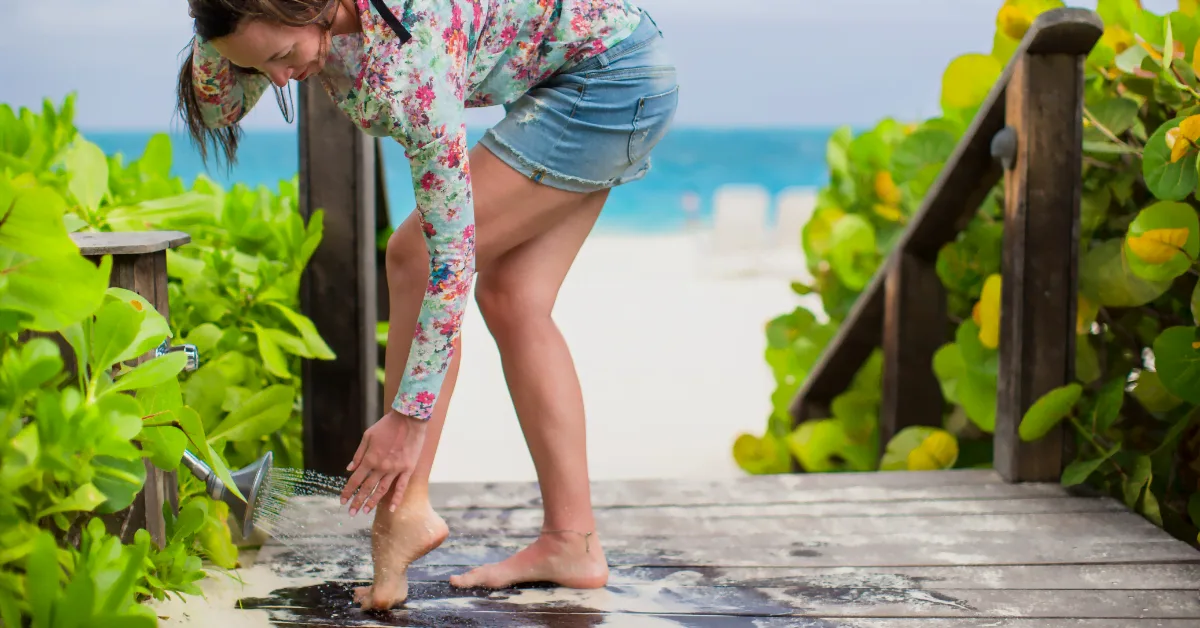
A quick rinse under the tap can be refreshing but is not sufficient to clean the feet properly. It is important to take the time to wash and dry them thoroughly.
Washing with water and soap
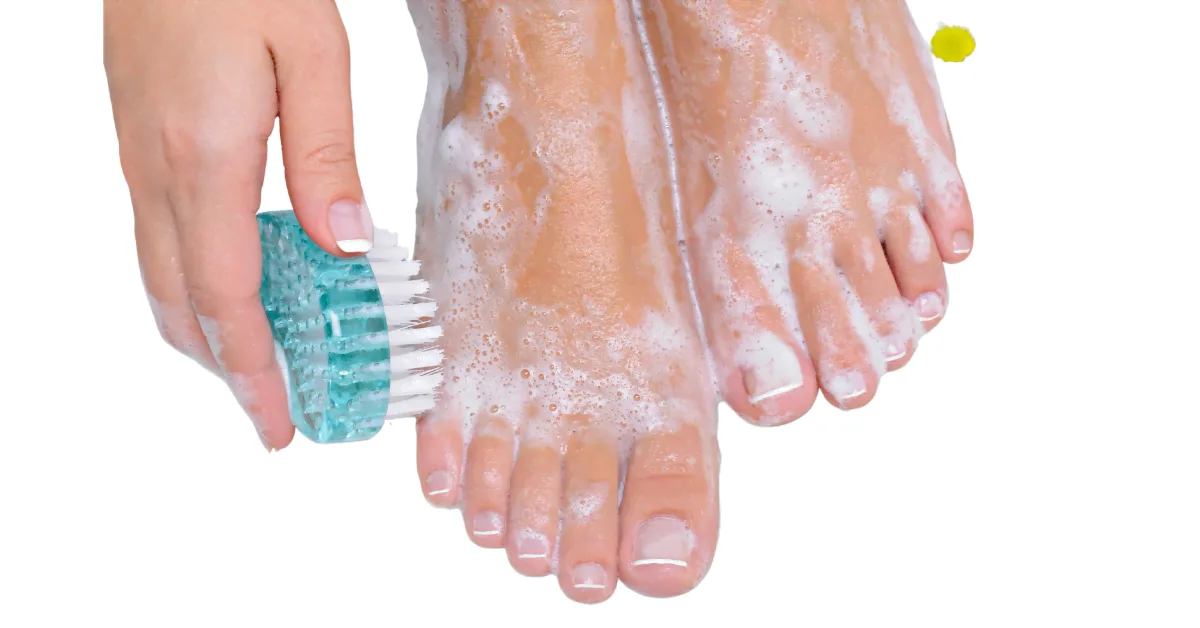
A simple and effective way to wash your feet is by using water and a mild soap. Fill a bowl or basin with warm water and add a small amount of soap. Submerge your feet and use your hands to gently wash them. Don't forget to clean between your toes and under your nails. Rinse your feet thoroughly with clean water and dry them well.
Foot bath
A relaxing foot bath is not only delightful but also a good way to wash your feet. Fill a tub or basin with warm water and optionally add some nourishing oil or salt. Soak your feet for about 10-15 minutes and gently move them back and forth. This helps to loosen dirt and dead skin cells. After the foot bath wash your feet again with water and soap and dry them thoroughly. But be careful, soaking your feet too often or for too long can make the skin soft and increase the risk of wounds.
Dry your feet thoroughly
After washing your feet, it is important to dry them well. Make sure to dry all moisture between your toes, as this can be a breeding ground for bacteria and fungi. Use a clean towel and gently pat your feet dry. If you suffer from excessive sweating, you can also use a hairdryer on a low setting to completely dry your feet.
Treat feet with deodorant?
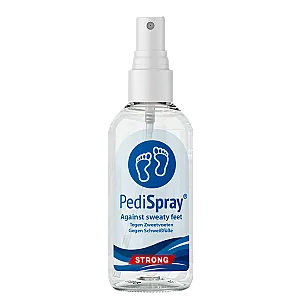
Using deodorant on your feet can help mask odour, but it is not the best solution. It is better to use a special foot deodorant, such as PediSpray®. This deodorant contains aluminium chloride, which is effective in reducing sweat production and odour. It is advisable to follow the instructions on the packaging when using a foot deodorant
Means to wash feet
Washing feet which soap is best?
For washing your feet, it is best to use a mild and pH-neutral soap. This soap cleans your feet thoroughly without disturbing the natural balance of your skin. Avoid soap with strong perfumes or chemicals, as these can cause irritation. Preferably choose a soap that is specially developed for sensitive skin.
Washing feet with biotex
Although Biotex is sometimes used for washing feet, it is better to be cautious with it. Biotex can soften the skin of your feet and increase the risk of wounds. It is suitable for infections, but do not soak your feet in it for more than 5 minutes. Instead, ordinary table salt is preferable for cleaning your feet.
Washing feet with vinegar
Vinegar can be used to wash your feet, but it has a strong smell and can dry out the skin. It is usually not recommended to use vinegar for washing your feet unless specifically advised by a professional.
Washing feet with soda
Like vinegar, soda can dry out the skin of your feet and make them vulnerable to wounds. It is therefore not recommended to use soda for washing your feet unless it is specifically prescribed for the treatment of an infection. Ordinary table salt is a safer option for washing your feet.

Overall foot hygiene
In addition to washing your feet, there are other aspects of foot hygiene that are important to highlight:
Clean socks
Wearing clean socks daily is crucial for good foot hygiene. Change your socks regularly and wash them at a high temperature to reduce bacteria and odours. Preferably choose socks made of breathable materials, such as cotton.
Walking barefoot
Finally, it is important to occasionally walk barefoot, for example at home or on the beach. This ensures good ventilation of your feet and helps prevent moist conditions where bacteria and fungi thrive. Be sure to do this on clean and safe surfaces.
Walking at home in socks
When you are at home, it is a good idea to walk in socks instead of barefoot. Socks provide an extra layer of protection and prevent direct contact between your feet and the floor. This can help reduce dirt and bacteria that can infect your feet. There are special socks with non-slip soles to increase your safety.
Shoe change
Regularly changing shoes is a smart habit for good foot hygiene. By regularly alternating your shoes, they have the chance to air out and dry. This reduces moisture and prevents the growth of bacteria and fungi.
Other benefits of regularly washing feet
In addition to preventing sweaty feet and foot odour, there are other benefits associated with regularly washing your feet. Here are two worth mentioning:
Helps prevent athlete's foot
By regularly washing your feet, you can reduce the risk of athlete's foot. Athlete's foot thrives in moist and dirty environments. By keeping your feet clean and dry, you minimise the chance of fungal growth and infections.
Can help against fungal nail infection
Washing your feet also contributes to preventing fungal nail infection. Fungal nail infection often occurs due to fungal infections spreading from the feet. By washing and drying your feet well, you can reduce the risk of fungal infections and thereby also reduce the chance of fungal nail infections.
In short
What types of soap are suitable for washing my feet?
What happens if I soak my feet in vinegar?
Should you wash your feet in the shower?
Which deodorant can I use against odour?
Frequently Asked Questions
Washing feet helps prevent sweaty feet.
Washing your feet is an essential part of good foot care. Regularly washing your feet helps in preventing sweaty feet. Sweaty feet can occur due to excessive perspiration of the feet, which can lead to unpleasant odours and other discomforts. By washing your feet regularly, you can reduce the bacteria and fungi that cause this smell.
```Hygienic feet
In addition to preventing sweaty feet, regularly washing your feet also ensures hygienic feet. During the day, your feet collect dirt, bacteria, and other microorganisms. By washing your feet, you remove these unwanted intruders and keep your feet clean and fresh. And you prevent conditions such as athlete's foot, fungal nail or pitted keratolysis
```Prevent foot odour
One of the most common problems people suffer from is foot odour. This problem can be very annoying and negatively affect your self-confidence. By regularly washing your feet, you can help prevent foot odour. By removing bacteria and sweat residues, you reduce the chance of an unpleasant smell.
Prevent sweaty feet
Washing your feet is also an effective way to combat sweaty feet. By removing sweat and bacteria from your feet, you keep your feet drier and reduce the chance of excessive perspiration. This can help to prevent the discomfort of sweaty feet and make your feet feel more comfortable.
Increase self-confidence
Clean and fresh feet not only feel pleasant, but they can also make you feel more confident. By taking good care of your feet, you contribute to good overall hygiene and a positive self-image.
What is the best way to wash my feet?
Keeping feet clean can be done in a number of ways. Which one you prefer is very personal, therefore we will examine a few so that you can choose what suits you best.
```Quick rinse under the tap
A quick rinse under the tap can be refreshing but is not enough to clean the feet properly. It is important to take the time to wash and dry them thoroughly.
Wash with water and soap
A simple and effective way to wash your feet is by using water and a mild soap. Fill a basin or sink with warm water and add a small amount of soap. Submerge your feet and use your hands to wash them gently. Don't forget to clean between your toes and under your nails. Then rinse your feet thoroughly with clean water and dry them thoroughly.
```Foot bath
A relaxing foot bath is not only delightful, but also a good way to wash your feet. Fill a basin or tub with warm water and optionally add some nourishing oil or salt. Soak your feet for about 10-15 minutes and gently move them back and forth. This helps to loosen dirt and dead skin cells. After the foot bath, wash your feet again with water and soap and dry them thoroughly. But be careful, soaking your feet too often or for too long can make the skin soft and increase the risk of wounds.
```Thoroughly dry your feet
After washing your feet, it is important to dry them well. Make sure to thoroughly dry all moisture between your toes, as this can be a breeding ground for bacteria and fungi. Use a clean towel and gently pat your feet dry. If you suffer from excessive sweating, you can also use a hairdryer on a low setting to completely dry your feet.
```Treating feet with deodorant?
Using deodorant on your feet can help mask odour, but it is not the best solution. It is better to use a special foot deodorant, such as PediSpray®. This deodorant contains aluminium chloride, which is effective in reducing sweat production and odour. It is advisable to follow the instructions on the packaging when using a foot deodorant.
Washing feet: which soap is the best?
For washing your feet, it is best to use a mild and pH-neutral soap. This soap cleans your feet thoroughly without disturbing the natural balance of your skin. Avoid soaps with strong perfumes or chemicals, as these can cause irritation. Preferably choose a soap that is specially developed for sensitive skin.
Washing feet with Biotex
Although Biotex is sometimes used for washing feet, it is better to be cautious with this. Biotex can soften the skin of your feet and increase the risk of wounds. It is suitable for infections, but do not soak your feet in it for more than 5 minutes. Instead, regular table salt is preferable for cleaning your feet.
```Washing feet with vinegar
Vinegar can be used to wash your feet, but it has a strong smell and can dry out the skin. It is usually not recommended to use vinegar for washing your feet unless specifically advised by a professional.
```Washing feet with soda
Like vinegar, soda can dry out the skin on your feet and make it vulnerable to wounds. It is therefore not recommended to use soda for washing your feet, unless it is specifically prescribed for the treatment of an infection. Regular table salt is a safer option for washing your feet.
Overall foot hygiene
In addition to washing your feet, there are other aspects of foot hygiene that are important to emphasise:
Clean socks
Wearing clean socks daily is of great importance for good foot hygiene. Replace your socks regularly and wash them at a high temperature to reduce bacteria and odours. Preferably choose socks made from breathable materials, such as cotton.
```Barefoot walking
Finally, it is important to walk barefoot occasionally, for example at home or on the beach. This ensures good ventilation for your feet and helps prevent damp conditions in which bacteria and fungi thrive. Do make sure to do this on clean and safe surfaces.
```Walking at home in socks
When you are at home, it is a good idea to walk in socks instead of barefoot. Socks provide an extra layer of protection and prevent direct contact between your feet and the floor. This can help reduce dirt and bacteria that can contaminate your feet. There are special socks with non-slip soles to enhance your safety.
```Shoe change
Regularly changing shoes is a smart habit for good foot hygiene. By alternating your shoes regularly, they get the chance to air out and dry. This reduces moisture and prevents the growth of bacteria and fungi.
Other benefits of washing feet regularly
In addition to preventing sweaty feet and foot odour, there are other benefits associated with regularly washing your feet. Here are two worth mentioning:
Helps prevent athlete's foot
By regularly washing your feet, you can reduce the risk of athlete's foot. Athlete's foot thrives in moist and dirty environments. By keeping your feet clean and dry, you minimise the chance of fungal growth and infections.
```May help against nail fungus
Washing your feet also contributes to preventing fungal nail infection. Fungal nail infection often occurs due to fungal infections that spread from the feet. By washing and drying your feet properly, you can reduce the risk of fungal infections and thereby also decrease the chance of fungal nail infections.
```|
|
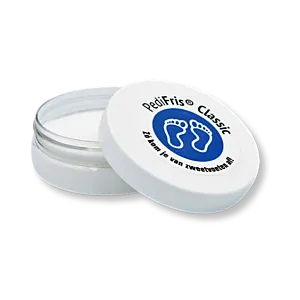
The texts on this page have been carefully compiled. Sources used include: Thuisarts athlete's foot and PediFris. |